Buy mega-project.eu ?
We are moving the project
mega-project.eu .
Are you interested in purchasing the domain
mega-project.eu ?
domain@kv-gmbh.de · 0541-91531010
Buy mega-project.eu ?
How can I justify the children's participation in my educational project?
You can justify children's participation in your educational project by emphasizing the benefits they will gain from being actively involved. Highlight how their participation will enhance their learning experience, develop their critical thinking skills, and foster creativity and collaboration. Additionally, you can emphasize the importance of empowering children to take ownership of their education and engage in hands-on, experiential learning opportunities that will better prepare them for future success. **
How can I justify the participation of children in my educational project?
Involving children in educational projects can be justified by recognizing the importance of their perspectives, creativity, and unique ways of learning. By including children in the project, you are promoting their active engagement and empowerment, which can lead to increased motivation and interest in learning. Additionally, involving children in decision-making processes can help foster a sense of ownership and responsibility, ultimately enhancing their overall educational experience. Ultimately, by valuing and including children in educational projects, you are promoting a more inclusive and child-centered approach to learning. **

Similar search terms for KC-Cubs-Educational-Rug
Top-Angebote
Products related to KC-Cubs-Educational-Rug:

-
What are the educational goals of a color project with young children?
The educational goals of a color project with young children include helping them develop an understanding of colors and their properties, such as hue, saturation, and brightness. It also aims to enhance their cognitive skills, such as observation, comparison, and classification. Additionally, a color project can foster creativity and self-expression in children as they explore and experiment with different colors and combinations. Overall, the project helps children build a foundation for future learning in art, science, and other subjects. **
-
What are the educational goals in a color project with young children?
The educational goals in a color project with young children include helping them develop an understanding of different colors and their names, fostering their creativity and self-expression through art activities, and enhancing their fine motor skills through hands-on projects like coloring, painting, and mixing colors. Additionally, color projects can help children learn about color theory, such as primary and secondary colors, and how colors can be combined to create new shades and hues. Overall, the goal is to provide a fun and engaging way for children to explore and learn about the world of colors. **
-
How can an educational program for language development in the nursery (U3) be planned?
To plan an educational program for language development in the nursery (U3), it is important to consider the developmental stage of the children in this age group. The program should include activities that are age-appropriate and engaging, such as reading books, singing songs, and playing games that focus on language skills. It is also essential to create a language-rich environment with opportunities for children to interact with peers and adults. Additionally, involving parents in the program and providing them with resources and strategies to support language development at home can further enhance the effectiveness of the educational program. **
-
How can an educational program for language development in the nursery (under 3) be planned?
An educational program for language development in the nursery (under 3) can be planned by incorporating activities that focus on building vocabulary, listening skills, and communication. Utilizing songs, rhymes, and interactive storytelling can help children develop language skills in a fun and engaging way. Providing a language-rich environment with books, labels, and conversations can also support language development. Additionally, incorporating activities that encourage children to express themselves through gestures, sounds, and simple words can further enhance their language skills. **


How can an educational program for language development in the nursery (under 3 years old) be planned?
An educational program for language development in the nursery for children under 3 years old can be planned by incorporating activities that focus on building vocabulary, listening skills, and early communication. This can include reading books, singing songs, engaging in interactive conversations, and using gestures to support language learning. It is important to create a language-rich environment with exposure to different words and sounds. Additionally, providing opportunities for children to practice and use language in a supportive and encouraging setting is essential for their language development. **
How can an educational program for language development in the nursery area (under 3 years old) be planned?
An educational program for language development in the nursery area for children under 3 years old can be planned by incorporating activities that focus on building vocabulary, developing listening skills, and encouraging verbal communication. This can be done through interactive storytelling, singing songs, playing games that involve naming objects, and engaging in conversations with the children. It is important to create a language-rich environment with books, pictures, and other materials that stimulate language development. Additionally, providing opportunities for children to engage in one-on-one interactions with caregivers and peers can further support their language skills. **
Top-Angebote
Products related to KC-Cubs-Educational-Rug:
-
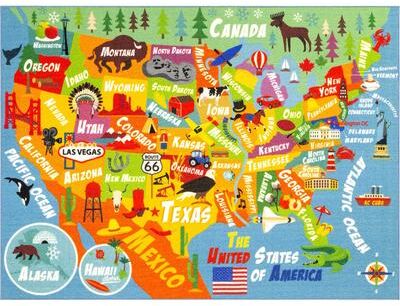
KC Cubs: Educational Rug: USA Map, 5x7' PlaymatKC CUBS 5X7 USA UNITED STATES MAP TOY CAR ROAD RUG - Bring geography to life with the KC Cubs USA Map Educational Rug, a fun and colorful way to teach children about the United States. Featuring all 50 states, Washington D.C81,99 $*Shipping: 0,00 $Secure redirect to the provider
-
How can I justify the children's participation in my educational project?
You can justify children's participation in your educational project by emphasizing the benefits they will gain from being actively involved. Highlight how their participation will enhance their learning experience, develop their critical thinking skills, and foster creativity and collaboration. Additionally, you can emphasize the importance of empowering children to take ownership of their education and engage in hands-on, experiential learning opportunities that will better prepare them for future success. **
-
How can I justify the participation of children in my educational project?
Involving children in educational projects can be justified by recognizing the importance of their perspectives, creativity, and unique ways of learning. By including children in the project, you are promoting their active engagement and empowerment, which can lead to increased motivation and interest in learning. Additionally, involving children in decision-making processes can help foster a sense of ownership and responsibility, ultimately enhancing their overall educational experience. Ultimately, by valuing and including children in educational projects, you are promoting a more inclusive and child-centered approach to learning. **
-
What are the educational goals of a color project with young children?
The educational goals of a color project with young children include helping them develop an understanding of colors and their properties, such as hue, saturation, and brightness. It also aims to enhance their cognitive skills, such as observation, comparison, and classification. Additionally, a color project can foster creativity and self-expression in children as they explore and experiment with different colors and combinations. Overall, the project helps children build a foundation for future learning in art, science, and other subjects. **
-
What are the educational goals in a color project with young children?
The educational goals in a color project with young children include helping them develop an understanding of different colors and their names, fostering their creativity and self-expression through art activities, and enhancing their fine motor skills through hands-on projects like coloring, painting, and mixing colors. Additionally, color projects can help children learn about color theory, such as primary and secondary colors, and how colors can be combined to create new shades and hues. Overall, the goal is to provide a fun and engaging way for children to explore and learn about the world of colors. **
Similar search terms for KC-Cubs-Educational-Rug
-
KC Cubs: Educational Rug: ABC Alphabet ASL Sign Language, 5x7' PlaymatKC CUBS 5X7 ABC ALPHABET ASL SIGN LANGUAGE RUG - Introduce your child to the world of American Sign Language (ASL) in the most colorful and engaging way with the KC Cubs ASL Alphabet Educational Rug.81,99 $*Shipping: 0,00 $Secure redirect to the provider
-
KC Cubs: Educational Rug: ABC Alphabet ASL Sign Language, 3x5' PlaymatKC CUBS 3X5 ABC ALPHABET ASL SIGN LANGUAGE RUG - Introduce your child to the world of American Sign Language (ASL) in the most colorful and engaging way with the KC Cubs ASL Alphabet Educational Rug.53,99 $*Shipping: 0,00 $Secure redirect to the provider
-
How can an educational program for language development in the nursery (U3) be planned?
To plan an educational program for language development in the nursery (U3), it is important to consider the developmental stage of the children in this age group. The program should include activities that are age-appropriate and engaging, such as reading books, singing songs, and playing games that focus on language skills. It is also essential to create a language-rich environment with opportunities for children to interact with peers and adults. Additionally, involving parents in the program and providing them with resources and strategies to support language development at home can further enhance the effectiveness of the educational program. **
-
How can an educational program for language development in the nursery (under 3) be planned?
An educational program for language development in the nursery (under 3) can be planned by incorporating activities that focus on building vocabulary, listening skills, and communication. Utilizing songs, rhymes, and interactive storytelling can help children develop language skills in a fun and engaging way. Providing a language-rich environment with books, labels, and conversations can also support language development. Additionally, incorporating activities that encourage children to express themselves through gestures, sounds, and simple words can further enhance their language skills. **
-
How can an educational program for language development in the nursery (under 3 years old) be planned?
An educational program for language development in the nursery for children under 3 years old can be planned by incorporating activities that focus on building vocabulary, listening skills, and early communication. This can include reading books, singing songs, engaging in interactive conversations, and using gestures to support language learning. It is important to create a language-rich environment with exposure to different words and sounds. Additionally, providing opportunities for children to practice and use language in a supportive and encouraging setting is essential for their language development. **
-
How can an educational program for language development in the nursery area (under 3 years old) be planned?
An educational program for language development in the nursery area for children under 3 years old can be planned by incorporating activities that focus on building vocabulary, developing listening skills, and encouraging verbal communication. This can be done through interactive storytelling, singing songs, playing games that involve naming objects, and engaging in conversations with the children. It is important to create a language-rich environment with books, pictures, and other materials that stimulate language development. Additionally, providing opportunities for children to engage in one-on-one interactions with caregivers and peers can further support their language skills. **
* All prices are inclusive of VAT and, if applicable, plus shipping costs. The offer information is based on the details provided by the respective shop and is updated through automated processes. Real-time updates do not occur, so deviations can occur in individual cases. ** Note: Parts of this content were created by AI.